Foot Shape Personality Test: What Does Your Foot Shape Reveal?
A fun, popular guide to common foot shapes and the personality traits often associated with them. (in popular culture) to different personality traits. People love personality “reads” based on physical features, hand lines, face shapes, posture, and more. One curiosity that keeps trending online is the foot shape personality test:
Quick note: This is best treated as fun, folk-style interpretation, not scientific psychology.
Foot structure is largely influenced by genetics, development, footwear habits, and biomechanics.
Still, it’s a great conversation starter. Below you’ll find 6 common foot shapes,
how to identify yours, and the personality traits most often associated with each type.
How to Identify Your Foot Shape
- Stand barefoot on a flat surface (good lighting helps).
- Look at your toes from above: which toe is the longest? How do the others line up?
- Compare both feet, many people have small differences between left and right.
- If you’re unsure, take a photo from above and compare with the descriptions below.
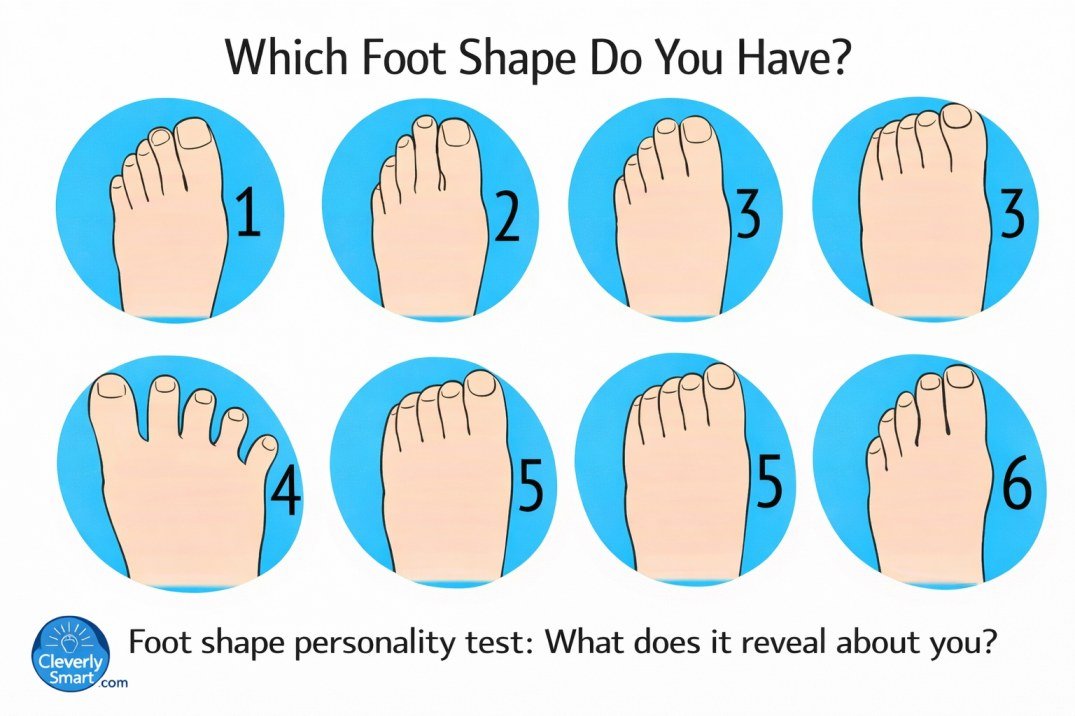
1) Roman Foot: Social, Warm, and Easygoing
A Roman foot is one of the most common patterns: the big toe is the longest,
and each next toe becomes gradually shorter.
Popular interpretations often describe Roman-foot people as friendly, humorous, and approachable.
They tend to get along with many personality types and may have a natural talent for smoothing social situations.
2) “Fire” / Greek Foot: Creative, Driven, High Energy
This type is often called the Greek foot: the second toe is longer than the big toe,
and the remaining toes descend gradually.
The stereotype here is creativity + ambition. People with this foot shape are often described as
energetic, idea-driven, and a little mischievous—in a way that sparks movement, momentum, and innovation.
3) Square / Farmer’s Foot: Practical, Patient, Reliable
A square foot (sometimes called “Farmer’s foot”) means the toes are
nearly the same length, with the big toe only slightly longer (or similar).
This shape is commonly linked with pragmatism, careful decision-making, and steady temperament.
People described this way are often valued in teams because they stay calm, think things through, and aim for fair solutions.
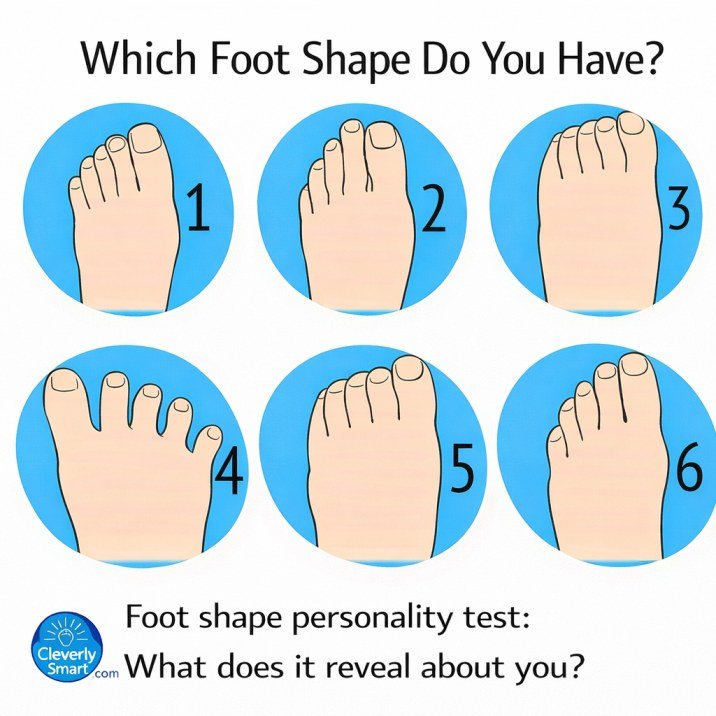
4) Wide-Toe Foot: Curious Explorer, Freedom-Loving
If your toes naturally sit with more space between them (or you can spread them widely),
this is often grouped as a wide-toe pattern.
The popular “read” is the traveler / explorer personality, someone who craves new experiences,
dislikes feeling stuck, and feels most alive when discovering new places, ideas, or communities.
5) Warrior Foot: Bold, Expressive, Argument-Proof
A warrior foot is typically described as having long toes, with many toes appearing similarly long.
Interpretations often paint this type as fearless, outspoken, and competitive in debate.
They may enjoy lively discussions and won’t hesitate to defend their viewpoint until they feel the issue is resolved.
6) Leaning Toes: Peacekeeper, Reserved, Harmony-Oriented
People with leaning toes may notice a clear gap between the second and third toes, and the second toe may lean toward the big toe.
In popular personality readings, this type is often described as quiet, observant, and peace-seeking.
They may avoid unnecessary conflict and prefer calm, stable environments.
Some versions of this interpretation also claim the shape can be influenced by life habits over time
(for example, footwear and toe pressure). Treat that as anecdotal rather than proven.
FAQ
Is the foot shape personality test scientifically accurate?
Not in a clinical sense. It’s best viewed as a fun, cultural interpretation rather than evidence-based psychology.
Can my foot shape change over time?
Toe alignment can shift with footwear habits, activity, injury, and aging. Genetics still plays a major role.
What if my left and right foot look different?
That’s common. Choose the foot shape that looks most dominant, or mention both if you’re sharing this as a fun test.
Read More
Sources: PinterPandai, Little Things, Steven Aitchison