Cancer Treatment Options: Common Therapy Combinations and When Proton Therapy Is Considered
Cancer treatment options are not “one-size-fits-all.” A care plan is typically built around
cancer type, tumor location, stage, overall health, and treatment goal (curative, control, or quality of life).
This guide explains the main cancer treatment options, shows common combination pathways,
and clarifies when proton therapy
may be considered.
Treatment goals
- Curative: aiming to eliminate cancer (in selected cases).
- Control: slowing growth/spread and extending disease control.
- Supportive/Palliative: reducing symptoms and improving quality of life.
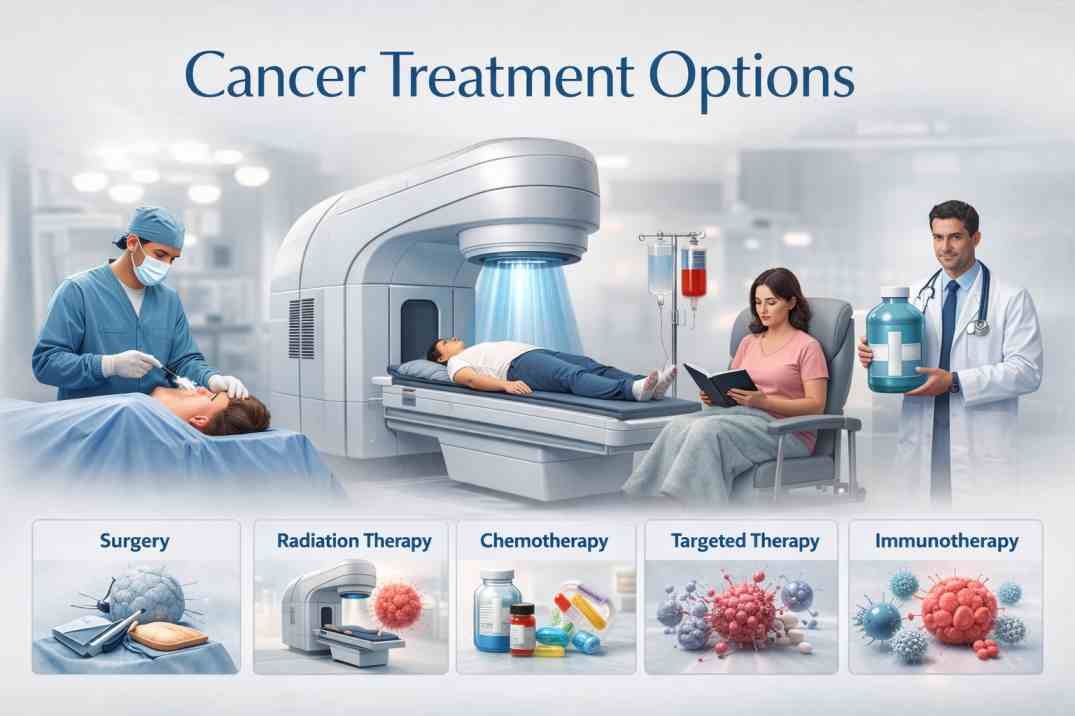
Main approaches
- Local: surgery, radiation therapy.
- Systemic: chemo, targeted therapy, immunotherapy (case-dependent).
- Precision: e.g., proton therapy for specific indications.
Ask your doctor
- What is my goal: cure, control, or comfort?
- Best alternatives and trade-offs?
- Short- and long-term side effects?
- How will follow-up be organized?
1) Local cancer treatment options: surgery and radiation
Local cancer treatment options focus on a tumor in a defined area. The two most common pillars are
cancer surgery and radiation. Local therapy can be the main treatment for localized disease,
or combined with systemic therapy to reduce recurrence risk or shrink tumors before a procedure.
Surgery (local control)
Surgery removes the tumor (and sometimes nearby tissue or lymph nodes). It is often used in early/localized cancers
or as part of combined treatment pathways.
Radiation (local control)
Radiation aims to destroy cancer cells with targeted radiation doses. It may be delivered before surgery, after surgery,
or as a primary treatment depending on the case.
2) Systemic cancer treatment options: chemotherapy, targeted therapy, immunotherapy
Systemic cancer treatment options travel through the bloodstream and can reach cancer cells in multiple areas.
This includes chemotherapy and (when indicated) targeted therapy or immunotherapy.
Explore these detailed guides: chemotherapy drug combinations, targeted therapy, and immunotherapy.
Chemotherapy
Often used to shrink tumors, destroy microscopic disease after local therapy, or control advanced disease.
Practical reference: chemo combinations and typical use.
Targeted therapy
Targets specific molecules or pathways (only when the tumor biology matches).
Guide: types, eligibility, and side effects.
Immunotherapy
Helps the immune system recognize and attack cancer cells (indication-dependent).
Guide: how it works and common side effects.
3) Precision radiation: proton therapy
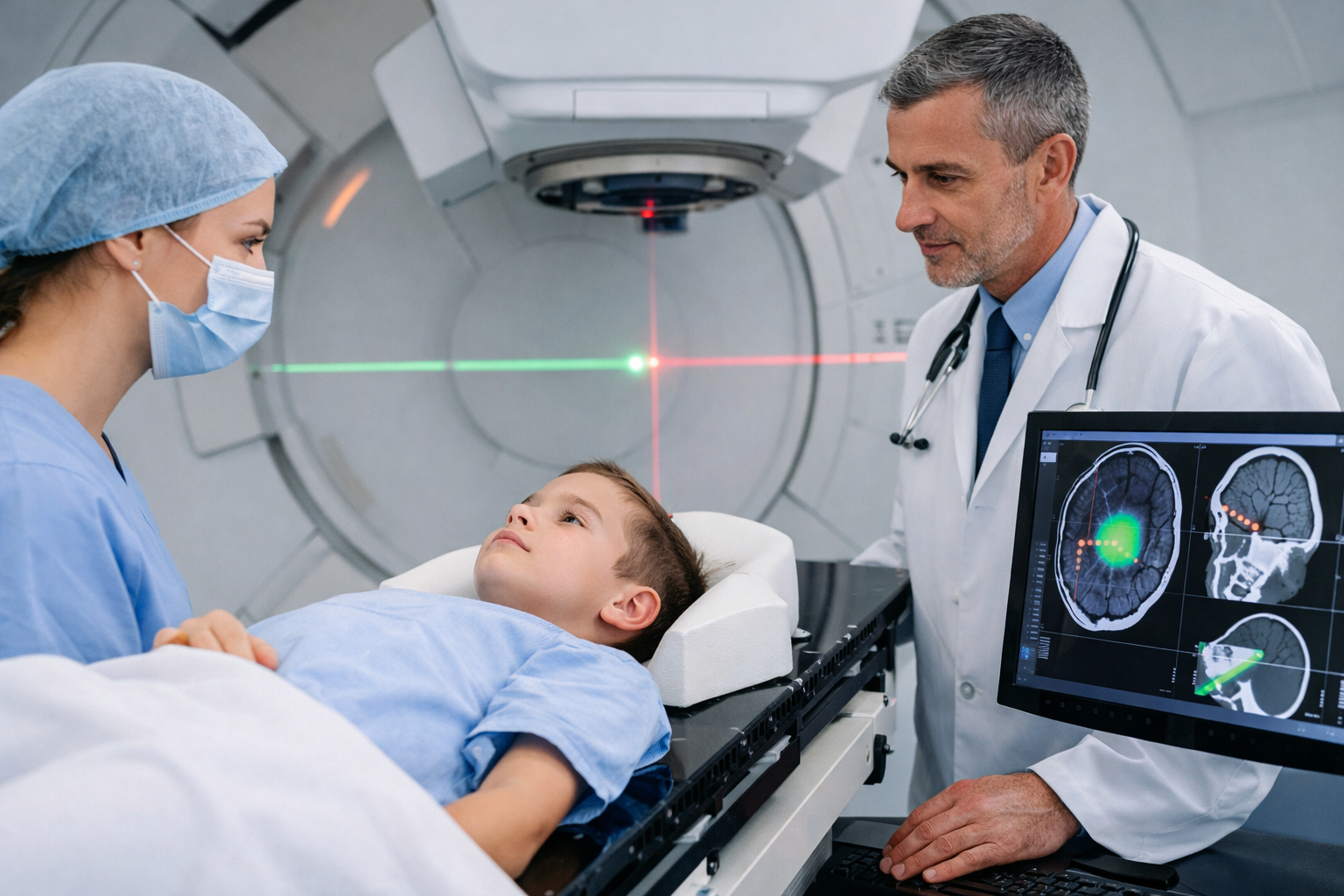
Proton therapy is a form of radiation treatment that can better limit dose to some healthy tissues behind the tumor (case-dependent).
It may be considered when tumors are close to critical organs or in selected pediatric cases.
Read the full overview: Proton Therapy: Precision Radiation to Treat Cancer Effectively.
Common cancer treatment combinations (examples)
Many cancer treatment options are combined to improve outcomes. The exact sequence depends on cancer type and clinical indication.
Here are typical real-world pathways:
1) Surgery → radiation
Used to lower local recurrence risk (selected cases), especially when post-op risk factors exist.
2) Neoadjuvant chemo → surgery
Chemo first can shrink tumors and improve the feasibility or completeness of surgery (selected cases).
Reference: chemo planning and combinations.
3) Proton therapy → close follow-up
Considered when tumors are near critical organs (selected indications).
The plan usually includes strict monitoring and imaging follow-up.
4) Systemic therapy + supportive care
For some advanced or metastatic settings, treatment balances disease control and quality of life.
Helpful: fatigue in cancer strategies.
Explore more cancer topics on CleverlySmart
If you want to browse by cancer type, start here: Types of Cancer.
For examples of cancer-specific pages, you may also explore:
esophageal cancer and melanoma.
FAQ — Cancer treatment options
What are the most effective cancer treatment options?
There is no single “best” treatment for everyone. The most effective cancer treatment options depend on the cancer type, stage, tumor location, biology, and treatment goal. Plans are typically personalized by an oncology team.
When is proton therapy considered?
Proton therapy may be considered for selected indications, especially when a tumor is close to critical organs or in some pediatric cases, because dose distribution can reduce exposure to certain healthy tissues (case-dependent).
Why do doctors combine treatments?
Combining therapies can improve disease control, for example shrinking a tumor before surgery, reducing recurrence risk after surgery, or targeting cells that may have spread beyond the primary tumor site.
Is supportive or palliative care only for late-stage cancer?
Not necessarily. Supportive care can be used alongside curative treatments to manage symptoms and side effects.
Example: strategies for cancer-related fatigue.
Sources: PinterPandai, National Cancer Institute (.gov), Mayo Clinic, NHS UK
Medical note: This article is for education only and does not replace professional medical advice.
For diagnosis and treatment decisions, consult your oncology team.